
Understanding Your Blocked Nose: Is It Allergy, Sinusitis, or a Simple Cold?
Dr. Parth Amin
9/4/20252 min read
What Causes a Blocked Nose?
A blocked nose is a common ailment that affects many individuals, making it crucial to understand its underlying causes. The blockage can stem from various conditions, primarily classified into three categories: allergies, sinus infections, and the common cold. Each of these conditions presents unique characteristics and symptoms, which can aid in identifying the root cause of nasal obstruction.
Allergies: A Common Culprit
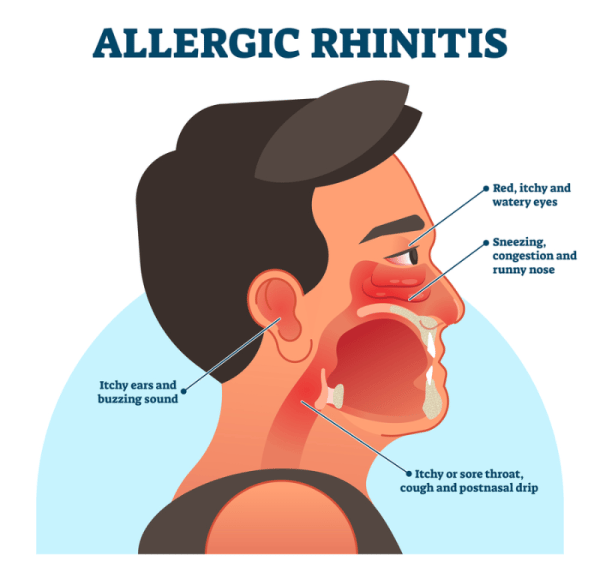
Allergic reactions are a prevalent cause of nasal congestion. When the body encounters allergens such as pollen, dust mites, or pet dander, it releases histamines that lead to inflammation in nasal tissues. This inflammation results in a blocked nose, often accompanied by other symptoms such as sneezing, itching, and a runny nose. If your symptoms improve when you are away from potential allergens, it is likely that allergies are the source of your discomfort.
Sinusitis vs. Common Cold: Understanding the Differences
When considering a blocked nose, it is essential not to overlook sinusitis and the common cold. Sinusitis, an inflammation of the sinus cavities, often follows a viral cold but can be exacerbated by bacterial infection. Symptoms typically include facial pain, pressure, thick nasal discharge, and a prolonged congested feeling that lasts more than 10 days. On the other hand, a simple cold, caused by a viral infection, usually results in milder symptoms and resolves within a week. The nasal congestion associated with a cold may be accompanied by a sore throat or cough, distinguishing it from sinusitis.
When to Seek Medical Attention
Recognizing when to consult a healthcare professional concerning a blocked nose is vital. If symptoms persist for more than ten days without improvement, or if you experience severe facial pain, fever, or worsening symptoms, it is advisable to seek medical advice. Additionally, individuals with chronic conditions or existing respiratory issues should monitor their symptoms closely and consult their doctor when necessary. A healthcare professional may recommend further evaluation, allergy testing, or treatment options to alleviate your condition.
Conclusion
In summary, a blocked nose can result from allergies, sinusitis, or a simple cold. Understanding the specific symptoms and characteristics of each condition will enable you to identify the source of your nasal obstruction effectively. Whether through home remedies, over-the-counter medications, or medical interventions, finding relief from a blocked nose is crucial for maintaining overall well-being.
Surgery
Specialized care for pediatric adenoid and tonsil surgery.
Mr Vishwa Pandya - ENT Assistant (ot AND administrative)
+91 8866 6464 66
aminparth@gmail.com
© 2025. All rights reserved.