
Comprehensive Guide to Adenoid Grading and Treatment Options
Dr. Parth Amin.
5/19/20251 min read
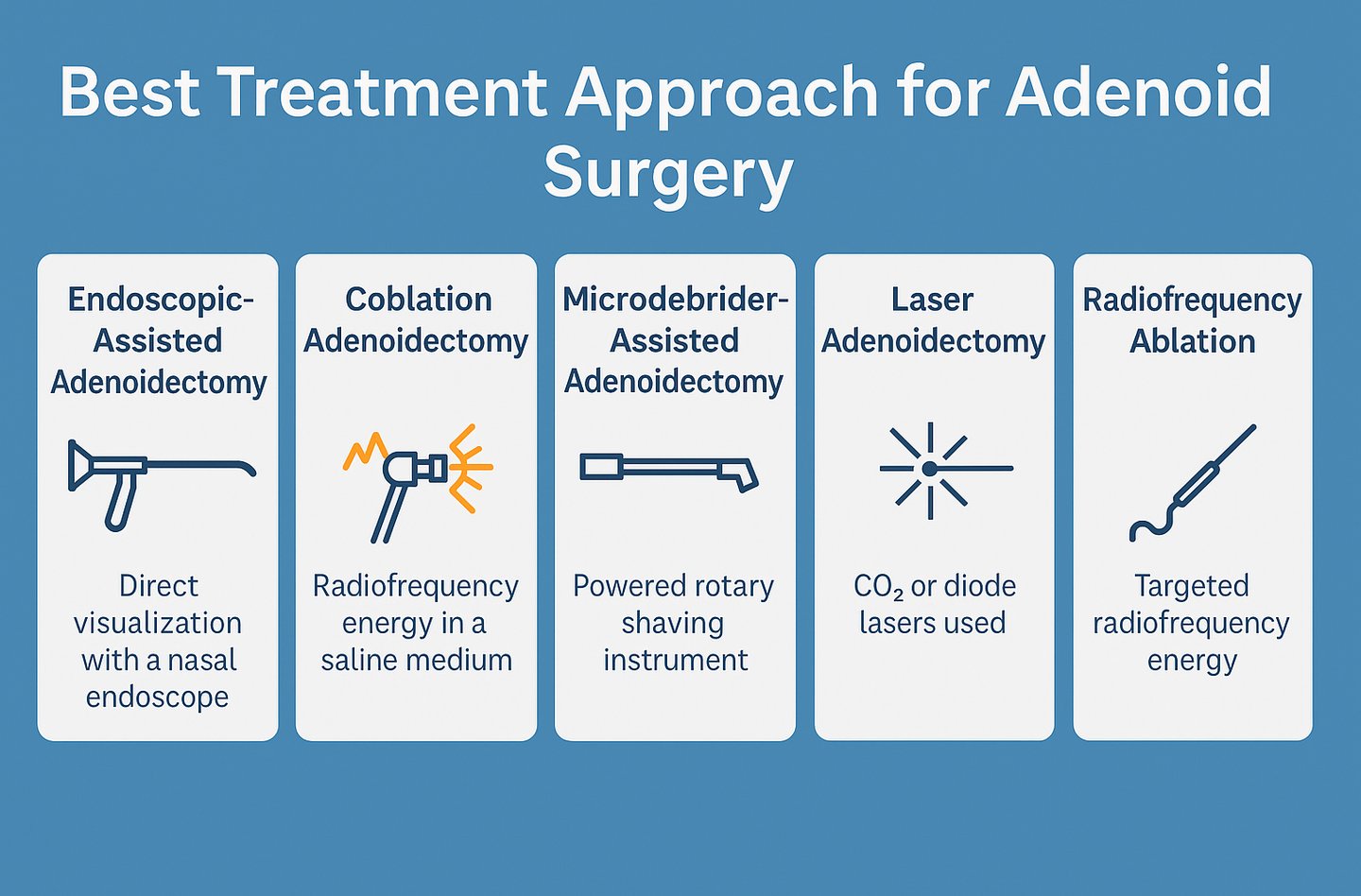
Understanding Adenoid Grading
Adenoid grading is a critical assessment method utilized to determine the extent of airway obstruction caused by adenoid enlargement. Adenoids, situated at the back of the nasal cavity, can lead to various respiratory issues, especially if they become enlarged. The grading system is determined based on the percentage of choanal obstruction, where each grade indicates a different level of airway blockage.
Grades of Adenoid Enlargement
The grading of adenoid enlargement is categorized into four distinct grades, each associated with specific symptoms and treatment options:
Grade 1 (0-25% obstruction): This grade indicates minimal enlargement and usually asymptomatic conditions. Patients may not require intervention beyond observation. Treatment options often include nasal saline sprays to facilitate breathing.
Grade 2 (25-50% obstruction): Mild blockage characterizes this grade, with occasional symptoms present. Patients may benefit from medical treatments, such as nasal corticosteroids, to reduce inflammation and alleviate symptoms.
Grade 3 (50-75% obstruction): At this level, a moderate blockage occurs, leading to significant symptoms. If patients experience persistent issues, healthcare providers may consider an adenoidectomy as a viable solution for relief.
Grade 4 (75-100% obstruction): Near or complete obstruction is evident at this grade, and adenoidectomy is typically recommended to prevent severe complications associated with airway obstruction.
Treatment Options for Adenoid Hypertrophy
The treatment approach for adenoid hypertrophy depends significantly on the grading. For lower grades, such as grades 1 and 2, medical management through observation or medication is generally sufficient. However, once the grade escalates to 3 or 4, the necessity for surgical intervention becomes more pronounced. An adenoidectomy is frequently advised to restore optimal airway function.
Moreover, addressing underlying symptoms, such as recurrent ear infections or sleep apnea, becomes paramount as the obstruction severity increases. In such cases, a multidisciplinary approach involving pediatricians, otolaryngologists, and allergists may be warranted to ensure comprehensive care.
In conclusion, understanding adenoid grading is essential for determining the appropriate treatments for airway obstruction. Recognizing symptoms and seeking timely intervention can enhance the quality of life for individuals affected by adenoid enlargement. Awareness of the grading system ensures that patients receive tailored treatment that aligns with their unique health needs.
Surgery
Specialized care for pediatric adenoid and tonsil surgery.
Mr Vishwa Pandya - ENT Assistant (ot AND administrative)
+91 8866 6464 66
aminparth@gmail.com
© 2025. All rights reserved.